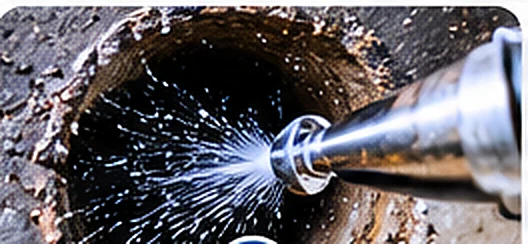
Sewer line cleaning removes material that restricts wastewater flow through a building’s main drain or sewer lateral. Cleaning can restore flow when a line is obstructed, but it does not repair a cracked, offset or collapsed pipe. For recurring issues, ask about camera inspection before choosing a cleaning method.
Common causes of sewer blockages
Tree roots, grease, soap residue, scale, wipes, foreign objects and accumulated debris can narrow or obstruct a sewer line. Repeated clogs may point to an underlying defect such as a damaged joint, sagging section or poor pipe alignment.
Main sewer line cleaning
A provider may access the main line through a cleanout and use mechanical cabling or another suitable cleaning method. Share whether multiple fixtures are affected and whether previous clearing attempts have failed. A main-line restriction can cause symptoms in several parts of the property.
Root removal and blockage clearing
Root intrusion can catch debris and create recurring restrictions. Mechanical root cutting can reopen the line, but roots may return if the entry point remains damaged. A camera assessment helps determine whether a repair, lining or replacement should also be considered.
Cleaning is not the same as repair
A cleared line may flow normally while still having cracks, offsets or structural weakness. Ask for the provider’s findings and whether additional inspection is recommended after cleaning. For high-pressure service, see hydro jetting in Diamond Bar.
Related sewer repair needs
Main sewer line cleaning
When multiple fixtures are slow or backing up, an obstruction in the main line may be involved. A provider can identify access and select a clearing method.
Sewer blockage removal
The obstruction may be roots, grease, foreign objects or accumulated debris. Ask what was removed and whether the line should be inspected for a structural cause.
Tree root removal
Roots can enter through small joints or cracks and collect debris. Cutting roots restores space but does not necessarily repair the entry point.
Sewer line maintenance
Maintenance intervals should reflect pipe condition, usage and history. There is no one schedule that fits every home or business.
Sewer odor detection
A sewage smell can be related to a dry trap, venting issue, failed seal or sewer leak. Describe where and when the odor appears so the provider can investigate.
How to prepare for a provider visit
- Note which fixtures are affected and whether the problem is recurring.
- Identify any accessible sewer cleanout and the approximate route of the pipe.
- Share prior camera reports, cleaning records or repair invoices if available.
- Ask for a written scope, itemized price and any permit or restoration exclusions.
Related sewer service guides
Hydro Jetting · Sewer Camera Inspection · Sewer Backup Repair · Sewer Line Repair
Frequently asked questions
How often should a sewer line be cleaned?
There is no universal schedule. Cleaning frequency depends on pipe condition, usage, root exposure and the history of blockages. A provider can discuss maintenance based on an inspection.
Can tree roots be removed from a sewer line?
Root-cutting equipment can remove roots that enter a line, but lasting correction may require repairing the joint or damaged pipe where they entered.
Will cleaning fix a broken pipe?
No. Cleaning can remove a restriction but does not restore structural integrity to a broken or collapsed pipe.
For general local information, return to the main SewerCare Pro sewer line repair guide for Diamond Bar. SewerCare Pro connects callers with independent providers; it does not employ the contractors who inspect or repair the pipe.